Tyre Pressure, Wipers and Other Free Fixes That Protect an Older Car

Tyre Pressure, Wipers and Other Free Fixes That Protect an Older Car

Uncategorized
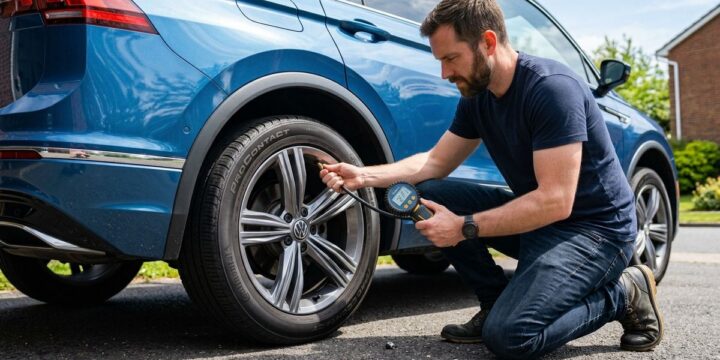
Some of the most effective car maintenance costs nothing at all. Checking tyre pressure, cleaning a sensor, and adjusting a wiper blade require attention and a few minutes rather than a workshop bill. For drivers on a limited income, these simple habits can keep an older vehicle safer and more comfortable for longer, while reducing the chance of a small problem growing into an expensive one. This article describes free or almost free fixes and explains when a simple task has become a job for a professional. Begin with the tyres Tyres carry the whole vehicle, so their condition deserves regular attention. Check the pressure at least once a fortnight, and always when the tyres are cold. Many drivers use a pencil-style gauge kept in the glovebox, which is inexpensive…

Read More
Driving Visitors Around Town: Routes, Timing and Seat Belts

Driving Visitors Around Town: Routes, Timing and Seat Belts

Uncategorized
Once guests arrive, many hosts find themselves driving friends and relatives to shops, parks, restaurants and family events. Town traffic, unfamiliar roads and busy car parks can make these trips tiring for everyone. A little planning about routes, timing and seating helps keep the journeys calm and safe. The advice below is general and should be adapted to local road rules, weather and the needs of your passengers. Planning the route before you set off Look at the route the evening before, and think about where congestion usually builds. Schools, markets and shopping areas often become busy at certain times of day. A longer route that avoids a crowded junction may take a little more time, but it can be far less stressful. Write down the main roads and any…
Read More
Choosing Seat Covers for a Family Car With Cats and Dogs

Choosing Seat Covers for a Family Car With Cats and Dogs

Uncategorized
Seat covers are one of the most practical upgrades for a family vehicle that carries pets. They protect the original upholstery from claws, fur, muddy paws, and the occasional accident, and they can be removed for washing. Yet not every cover suits every car or every animal. The right choice depends on the seat shape, the materials, the size of the pet, and how the owner plans to use the car. This article explains what to look for, what to avoid, and how to keep covers working well over time. Matching the cover to the seat A cover that fits poorly can slip, bunch, or block the seat belt buckle, which creates a safety concern. Measure the seat cushion and backrest before shopping, and check whether the vehicle has side…
Read More
Checking Tyre Pressure Monthly to Save Fuel and Wear

Checking Tyre Pressure Monthly to Save Fuel and Wear

Uncategorized
Tyre pressure is one of the simplest things a driver can check, yet it is often forgotten until a warning light appears on the dashboard. Tyres that are underinflated tend to flex more as they turn, which can increase fuel use and wear the outer edges faster. Tyres that are overinflated can feel harsh and wear the centre of the tread unevenly. A monthly check is a practical habit that helps keep a car efficient, safe, and economical to run. This guide explains why pressure matters, how to find the right figure, and how to check it properly. Why pressure matters for fuel and wear When a tyre is slightly low, more of the tread touches the road, and the rubber works harder with each rotation. That extra effort uses…
Read More
Choosing a Vehicle That Fits Changing Mobility Needs

Choosing a Vehicle That Fits Changing Mobility Needs

Uncategorized
Many people reach a point where the car they have always driven no longer feels quite right. Getting in and out may take more effort, turning to check blind spots may feel tiring, or reaching the pedals comfortably may require an unusual posture. These changes are normal and do not mean that driving has to end. Choosing a vehicle that matches your current body and your daily routine can restore ease and confidence. This article explains how to think through that decision calmly, step by step, and how to test a car before committing to it. Think About How You Get In and Out Entry and exit are often the first things to change. Consider the height of the seat relative to the door opening, the width of the doorway,…
Read More
Making a Car Easier to Get In and Out of for an Older Passenger

Making a Car Easier to Get In and Out of for an Older Passenger

Uncategorized
Getting in and out of a car can be one of the most difficult moments of an older person's journey. The seat may be low, the doorframe may be narrow, and the seat belt may be awkward to reach. For a working caregiver who drives a relative to appointments, these small challenges can add minutes to every trip and cause real discomfort. This article explains practical ways to make the vehicle more accessible, from seat adjustments and simple aids to the way you position the car at the kerb. The aim is to make transfers smoother without asking anyone to force a movement. Why it matters Transfers are a common source of strain and worry. A passenger who struggles to lower themselves into a seat may tense their muscles, which…
Read More