
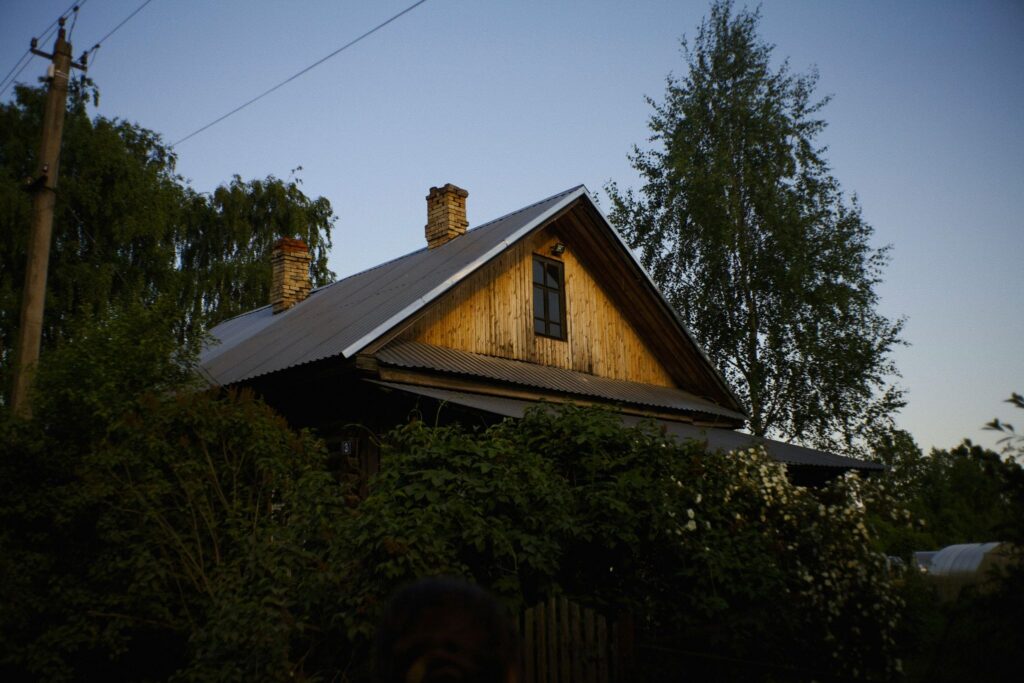
For many homeowners, summer is the season for home improvement. Decks are repaired, siding is cleaned, landscaping gets refreshed, and air conditioning systems receive annual maintenance before the hottest days arrive. Yet one critical part of the home is consistently left off the checklist: the chimney.
It is an understandable oversight. When temperatures climb, fireplaces are the last thing on most people’s minds. Without a fire burning, it is easy to assume the chimney can wait until fall. In reality, that delay is one of the biggest reasons small chimney issues become expensive winter emergencies.
Unlike seasonal appliances, chimneys do not stop aging simply because they are not in use. Rain, humidity, changing temperatures, and normal wear continue to affect masonry, liners, and other structural components throughout the year. By the time colder weather returns, problems that began months earlier may have grown into significant repairs.
Professionals who specialize in chimney inspections, often encourage homeowners to think about chimney maintenance long before the heating season begins. As explained in the company’s guide on why summer is an ideal time for chimney care, the warm months provide an opportunity to identify hidden issues before they interfere with the safe operation of fireplaces and heating appliances.
One of the biggest misconceptions homeowners have is believing fall is the best time to schedule an inspection. While it may seem logical to prepare a fireplace just before using it, this is also when demand for chimney services reaches its highest point.
As temperatures begin to fall, homeowners who have not used their fireplaces for months suddenly discover damaged masonry, water leaks, blocked flues, or creosote buildup. Service companies often experience a sharp increase in inspection requests during this period, making it more difficult to schedule repairs before fireplaces and heating systems are needed.
Waiting until fall also leaves little room to address problems that require more extensive work. Masonry repairs, liner replacements, or structural restoration may take time to complete, particularly when contractors are managing their busiest season of the year.
Summer offers a different advantage. With warmer temperatures and generally drier conditions, many chimney repairs can be completed more efficiently. Masonry materials often cure under more favorable conditions, and homeowners have greater flexibility to schedule inspections before seasonal demand increases.
More importantly, summer inspections allow professionals to identify problems while they are still relatively minor.
Water intrusion remains one of the most common issues found during chimney inspections. Small cracks in masonry or deteriorating mortar joints can allow moisture to enter the chimney system, gradually weakening structural components over time. Because this damage typically develops out of sight, homeowners may not notice anything unusual until water stains appear inside the home or larger repairs become necessary.
Summer inspections also frequently uncover debris, animal nests, deteriorated chimney caps, damaged flashing, or creosote left behind from the previous heating season. While some of these conditions may seem insignificant at first, each has the potential to affect chimney performance or create larger maintenance concerns if left unresolved.
Preventative maintenance is often less about fixing major damage and more about preventing it from occurring in the first place.
The same principle applies to other areas of homeownership. Most homeowners understand the importance of servicing an HVAC system before summer or replacing worn roofing materials before a leak develops. Chimneys deserve the same proactive attention because they are part of the home’s overall safety and ventilation system.
Routine inspections can help identify deterioration early, allowing homeowners to plan repairs rather than respond to unexpected emergencies during the winter months. Addressing a small masonry crack or replacing a damaged chimney cap during the summer is generally less disruptive than dealing with structural damage or water intrusion after freezing temperatures arrive.
Homeowners should also pay attention to subtle warning signs that may indicate a chimney requires professional evaluation. Water stains around the fireplace, crumbling mortar, unusual odors, poor fireplace performance, or visible deterioration on the exterior masonry can all signal underlying issues that deserve closer inspection.
Even when no obvious symptoms are present, annual inspections remain one of the most effective ways to evaluate the condition of a chimney system and identify developing concerns before they become more expensive to repair.
Companies such as Chimney Scientists, led by founder Joe Ochal, continue to educate homeowners that chimney maintenance is not simply a seasonal task but an important part of long term home care. By encouraging inspections during the summer rather than after temperatures begin to drop, they hope to shift the conversation from emergency repairs to preventative maintenance.
Winter is when many homeowners first discover chimney problems. Summer is when they have the best opportunity to prevent them. Taking action before the heating season begins can help protect the structural integrity of the home, reduce repair costs, and ensure that fireplaces and heating systems are ready to operate safely when colder weather returns.